How to Get Sponsorship for Your Durga Puja: The Complete Guide
A practical guide for puja committees: what brands actually want, how to price your ad spaces, how to write a proposal, and where to find sponsors.
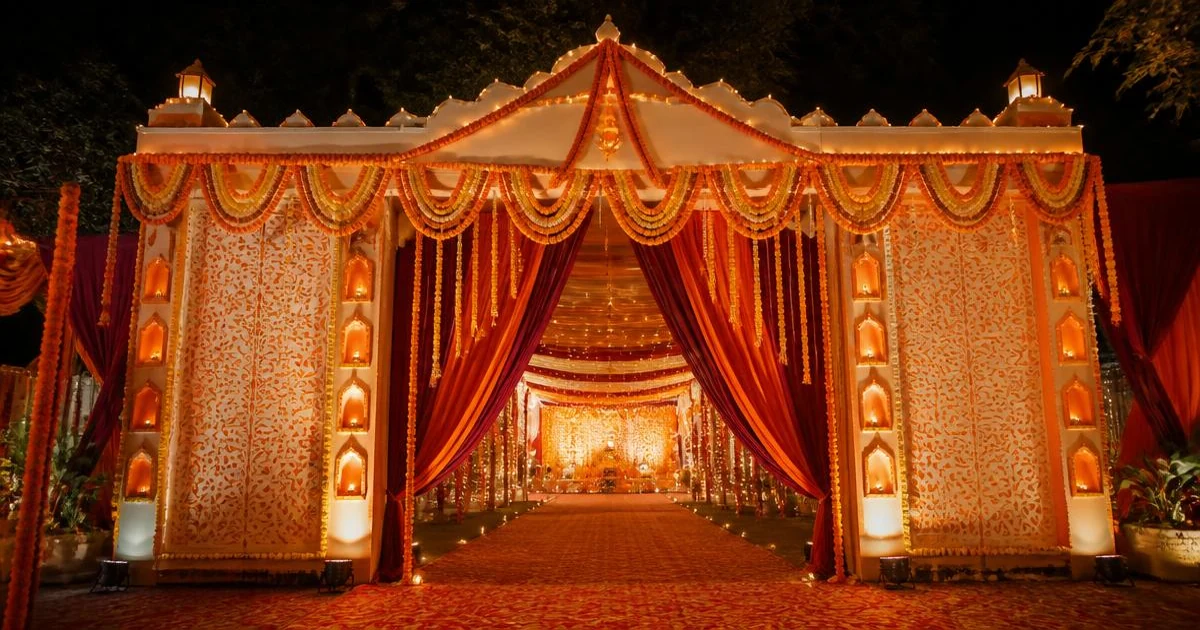
Every year, thousands of puja committees across India face the same problem. The pandal has to be built, the idol commissioned, the lights arranged, the prasad organised — and the money has to come from somewhere.
Traditionally it comes from chanda (door-to-door collection) and a handful of local shops. But there is a much larger source most committees barely touch: brands that genuinely want to advertise at your festival.
India's festive advertising market is heading toward ₹55,000 crore, and brands are increasing festive budgets by up to 20% year on year. Bengal's Durga Puja economy alone is estimated at around ₹65,000 crore. Companies are actively looking for festivals to sponsor. The problem isn't demand — it's that they can't find you, and you don't know how to approach them.
1. Understand what a sponsor is actually buying
This is the mistake most committees make: they ask for a donation. Brands don't have unlimited donation budgets — but they have large marketing budgets. So stop asking for charity. Start selling attention.
A sponsor wants to know three things:
- How many people will see my brand? (footfall × days)
- Who are those people? (families, young people, local residents)
- What exactly do I get? (a gate, a banner, a stall, a stage mention)
Answer those three clearly and you're no longer asking for a favour — you're offering a media opportunity a marketing manager can say yes to.
2. Count your footfall honestly
Footfall is your single most valuable number. Count visitors during one peak hour, multiply by busy hours per day, then by festival days.
A modest neighbourhood puja commonly sees 6,000–7,000 visitors a day. Across five days, that's over 30,000 people walking past whatever you put at your gate.
Be honest. An accurate 30,000 beats an invented 200,000 every time — because honest numbers bring the sponsor back next year.
3. Build your inventory list
You are not selling "sponsorship." You're selling specific, named spaces:
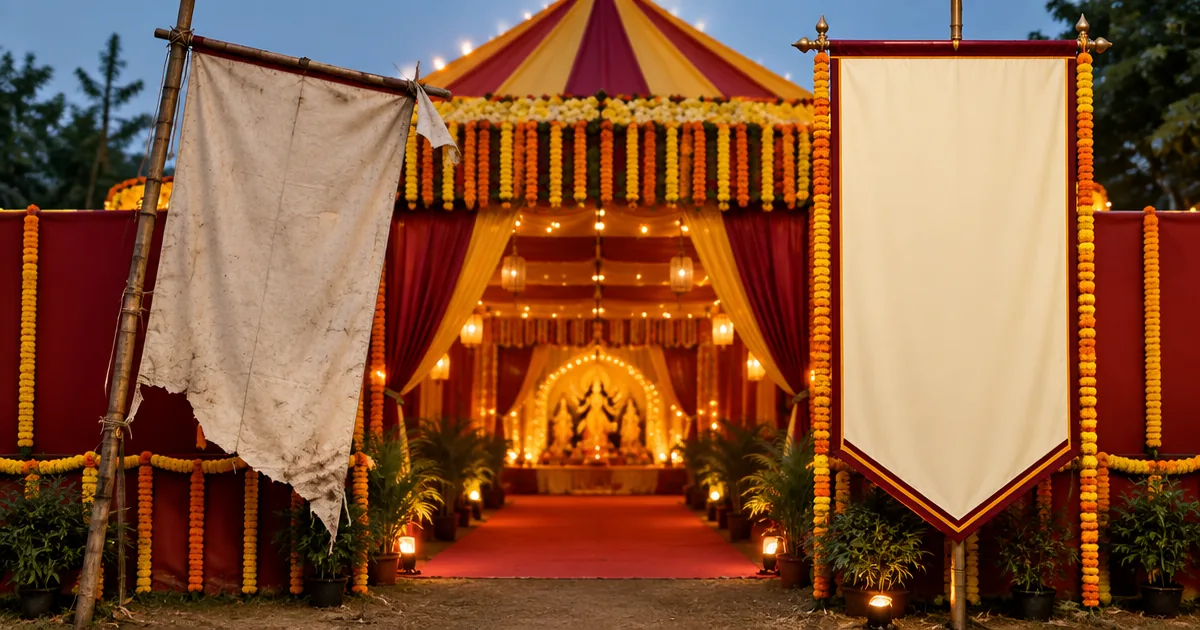
- Entry gate / arch — every visitor passes under it. Your most valuable spot.
- Stage backdrop — seen during programmes and in every stage photo.
- Main hoarding / banner — visible from the road, works on non-visitors too.
- Food stall / kiosk — the brand can sample products and talk to visitors.
- Pillars and poles — cheap, repeatable, good for small local sponsors.
- Entry passes / coupons — the brand travels home in someone's pocket.
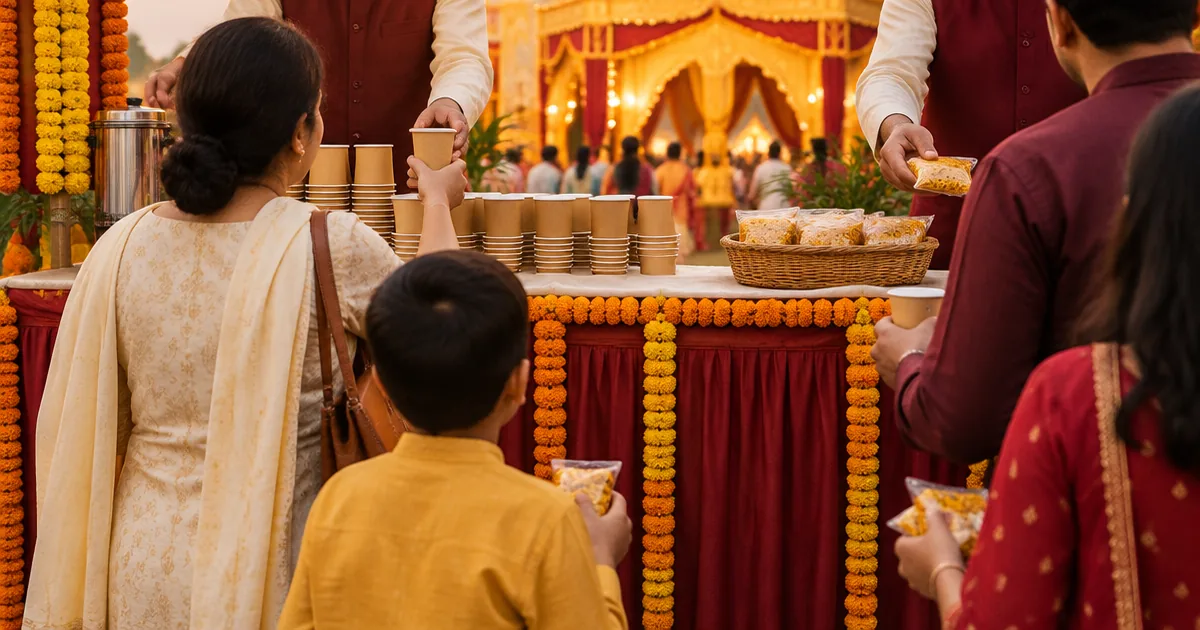
- Prasad packets — touched with respect, kept, remembered.
- Programme mention — announced aloud to the whole crowd.
- Digital LED screen — premium, if you have one.
Most committees only ever sell one banner. A properly listed pandal has eight to ten sellable spaces — often the difference between ₹40,000 and ₹4,00,000.
4. Price each space realistically
Committees consistently undercharge because nobody tells them what things are worth.
- Neighbourhood puja sponsorships commonly run ₹10,000 to ₹50,000
- Large famous pandals command far more — in Mumbai's Lokhandwala Sarbojanin, rates have ranged from ₹5 lakh for a banner to ₹25 lakh for front-gate branding
Price on: footfall, visibility, exclusivity (sole should cost 2–3× shared), legacy, and location.
Practical tip: create three tiers — Gold (gate + stage + announcements), Silver (banner + stall), Bronze (pillar + entry pass). Most brands pick the middle one.
5. Write a proposal a brand can actually approve
Keep it to 2–3 pages:
- Who you are — committee name, year established, neighbourhood
- The numbers — expected footfall, dates, visitor profile
- Photos from last year — the most persuasive element
- What's on offer — spaces, sizes, prices
- What the sponsor receives — placement, duration, exclusivity
- Proof commitment — photographs of their branding in place
- Contact — name, phone, WhatsApp, email
A brand approves numbers, not poetry.
6. Photos from last year are your strongest asset
A brand choosing between two committees will almost always pick the one that showed them what it looks like. Photos prove your puja is real, well-attended, and that you're organised enough to be trusted.
Gather: wide night shots of the lit pandal, genuine crowd shots, close-ups of last year's sponsor banners actually in place, and the stage during a programme. Phone photos are fine.
7. Where to find sponsors
Start local. Shops within 2 km — jewellers, restaurants, clothing stores, coaching centres, gyms, clinics. Your visitors are literally their customers. Easiest yes.
Then regional. Sweet-shop chains, appliance showrooms, local banks, mobile dealers, builders.
Then national brands — through their regional sales office, not head office.
Then list online. Instead of only knocking on doors, list your puja on PujaSathi so brands searching for festivals find you.
Timing matters enormously. Brands finalise festive budgets 2–4 months before the festival. For Durga Puja, approach sponsors in June, July and August. Go in September and the budget is already spent.
8. Deliver, and document
Getting the sponsor is half the job. Keeping them is the other half.
- Put their branding up exactly as promised, on time
- Photograph it clearly, day and night
- Send a thank-you note after the festival with those photos
- Include a summary: dates, footfall, where branding appeared
Do this and next year starts with "yes, same as last year" instead of a cold pitch.
Common mistakes to avoid
- Asking for a donation instead of selling advertising
- Approaching too late — the budget is gone
- Having no photos
- One vague price instead of options
- Inflating footfall — it destroys the relationship permanently
- No follow-up after the festival
- Only one contact person with no WhatsApp
Frequently asked questions
How much can a neighbourhood puja realistically raise?
A well-organised puja with 5,000–10,000 daily footfall can typically raise ₹50,000 to ₹3,00,000 across multiple sponsors.
When should I start approaching sponsors?
Two to four months before. For Durga Puja, start in June or July.
Do we need to be a registered committee?
Not always for small local sponsorships. But registration, a bank account and PAN make larger corporate sponsors far more comfortable.
What if we have no photos from last year?
Use whatever exists, even phone photos. Then commit to photographing this year properly.
Should we offer exclusivity?
Yes, for premium spaces. Sole sponsorship of your gate can command 2–3× a shared arrangement.
Start now, not in September
The committees that raise the most aren't the biggest or oldest. They're the ones that counted their footfall, listed their spaces, priced them properly, showed photos, and asked early.
**List your puja free on PujaSathi** — add your committee, your ad spaces and last year's photos, and let brands find you directly.
Related: [Browse festivals open for sponsorship](/festivals) · [More guides for puja committees](/blog/category/for-puja-committees)